Ceramic Engineer

Material Science and Engineering
AN OVERVIEW
 What MSE Does
Materials make up everything around us! As such, the problems we try to solve are far-reaching. We work with a diverse set of materials ranging from metals, polymers, ceramics, and composites. We apply them in various industries, including energy, transportation, tissue engineering, drug delivery, construction, nanotechnology, and more. We use a range of processes to make the materials from organic and polymer synthesis, additive manufacturing, coating, evaporation, machine learning, and beyond.
 What Problems MSE Solve
Materials scientists and engineers are at the center of developing the next generation of materials and material systems that will power modern innovations. Materials scientists and engineers are developing devices to detect cancer in its early stages, inventing better batteries for electric vehicles, creating plant-based materials, contributing to quantum computing and much more.
 Careers In MSE
Due to the importance of materials to the success of almost all engineered products, materials engineers have employment opportunities in a wide range of industries and in a variety of functions. For example, materials engineers are prominent within the automotive, aerospace, electronics, consumer products, manufacturing, and defense industries, performing duties such as new material design, material substitution, material optimization, and material forensics (e.g., materials identification and failure analyses). There are also a plethora of opportunities for careers within academia. Many materials scientists and engineers pursue advanced degrees and obtain research and teaching positions at postsecondary institutions.
 Job Titles
Hover your mouse pointer on the picture to view description.
/cdn.vox-cdn.com/uploads/chorus_asset/file/22863273/ceramic-engineer.jpg)
/cdn.vox-cdn.com/uploads/chorus_asset/file/22046467/COM.jpg)
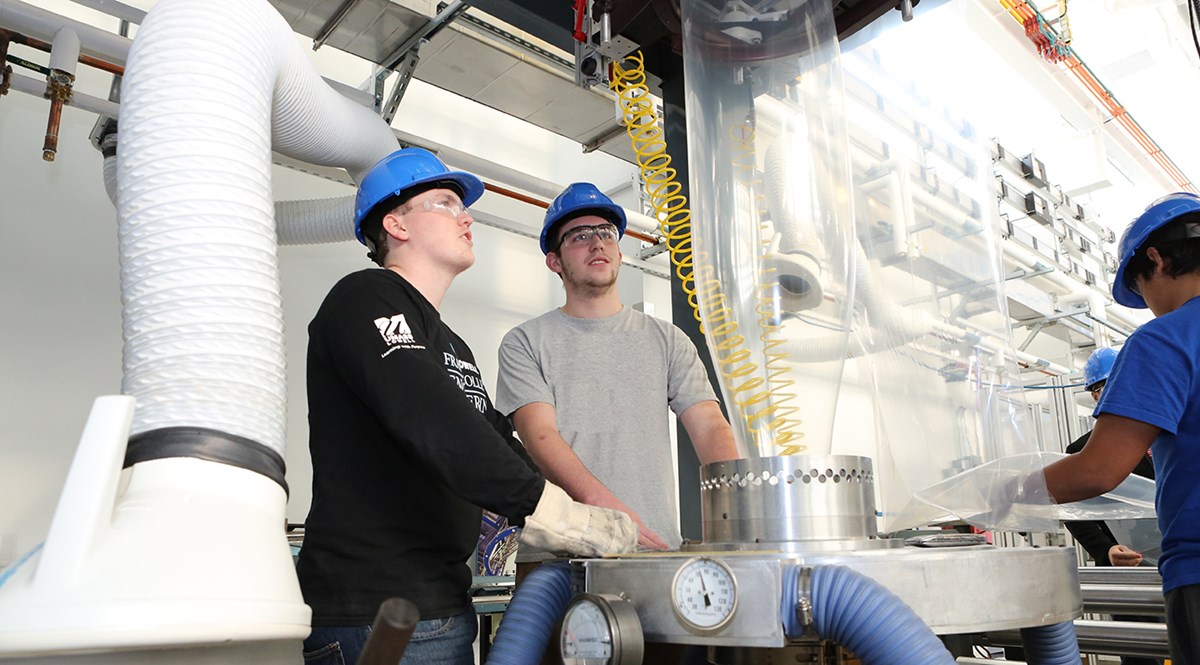
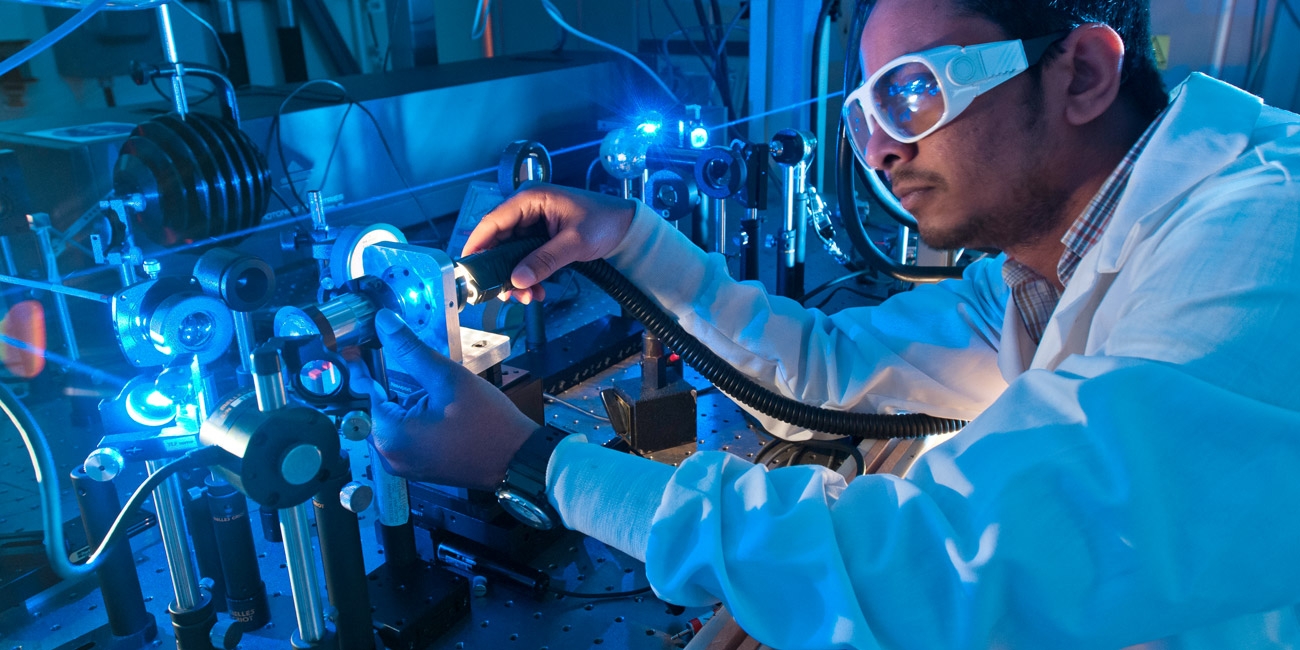
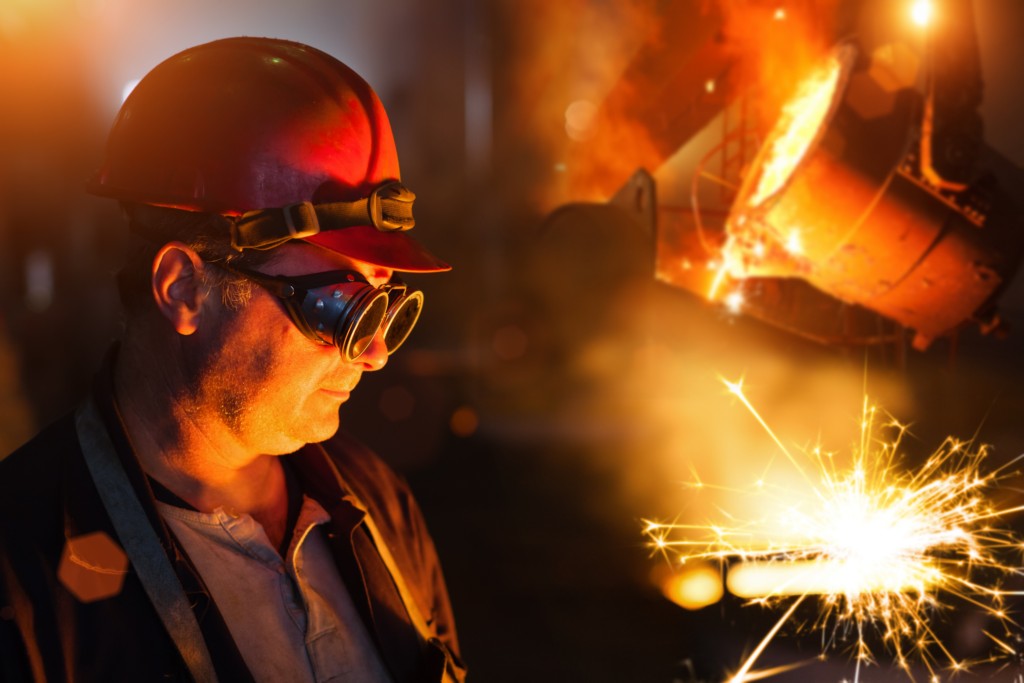
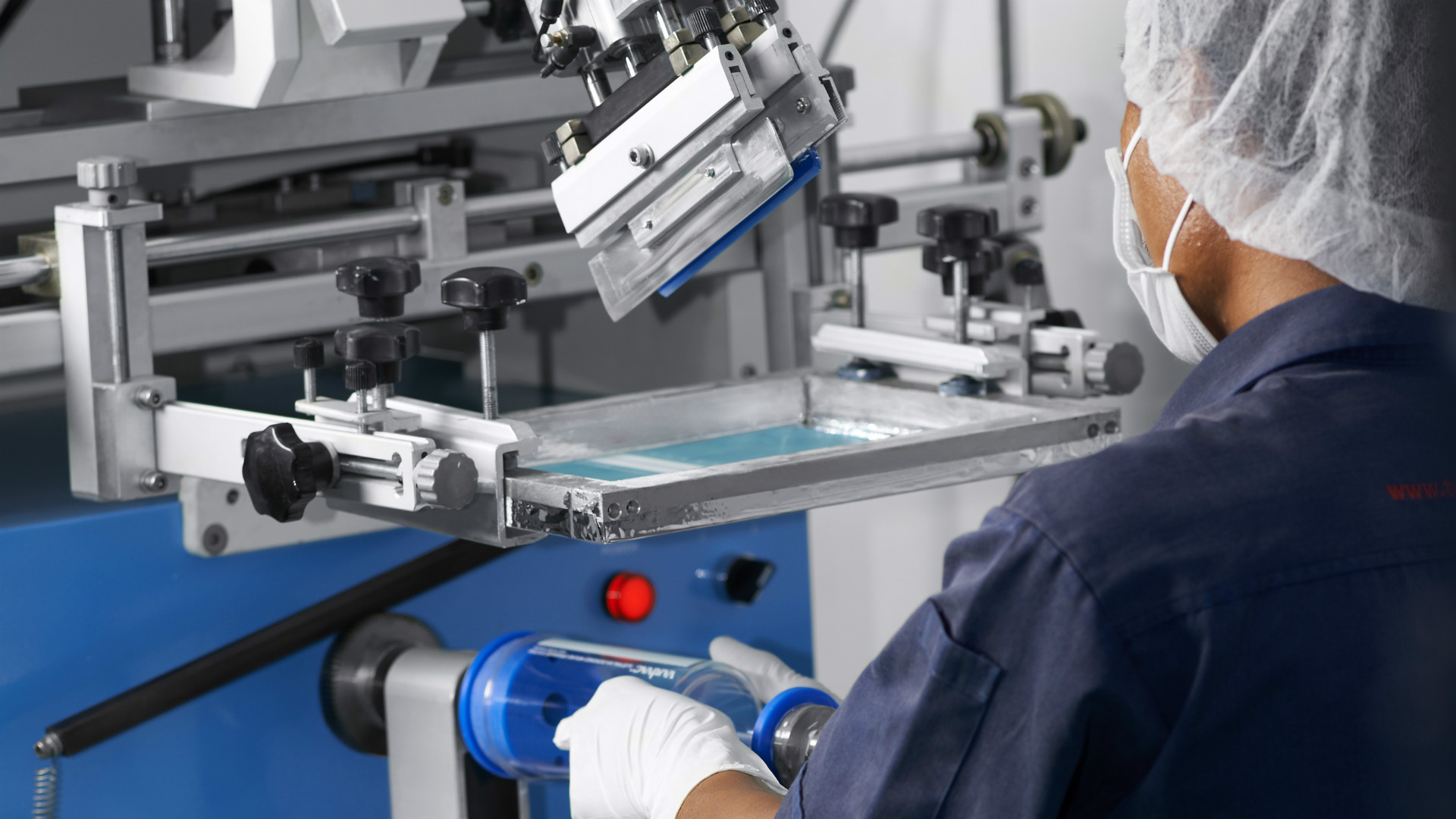
 Overview of a Material Engineer

Materials Engineers usually work in offices or labs with computers and design equipment, but some may work in factories. They work full time, and overtime may be required.

As of May 2022, the median annual wage for materials engineers stood at $100,140.

Employment of materials engineers is projected to grow 5 percent from 2022 to 2032, faster than the average for all occupations.

Materials engineers typically require a bachelor's degree in materials science, engineering, or a related field. Internships during school can provide valuable hands-on experience.
 Research Topics on MSE

Biomaterials focus on developing materials to replace or augment human tissues. Advances in tissue engineering integrate discoveries from biochemistry, cell and molecular biology, and materials science to produce three-dimensional structures for replacing or repairing damaged biological components.

The MSE department has high-profile research programs in ceramics, emphasizing functional ceramics like sensors, fuel cells, batteries, catalysis, photovoltaics, and superconductors. Research spans processing, characterization, and properties, with a focus on metal oxides and interest in carbides, sulfides, and other advanced ceramic materials.

Computational Modeling of Materials explores how computing power and software advancements can design, synthesize, choose, characterize, and test material performance in a virtual setting. This program accelerates development and optimization of new materials across various applications.

Corrosion, the environmental degradation of materials, is a major research area in materials science and engineering. The Fontana Corrosion Center (FCC) at the MSE department focuses on studying corrosion to develop better methods for protecting materials from environmental impacts.

Energy Materials play a crucial role in creating, understanding, and applying new and advanced materials for clean and renewable energy generation, storage, and efficient use. Materials science and engineering research contribute significantly to addressing issues related to climate change, the economy, and national security.

Research into the mechanical properties of materials involves testing existing and theoretical materials for qualities like strength, plasticity, and hardness. Programs range from simulating forming operations for metals to studying the wear behavior of composites, employing experimental techniques from the atomic to industrial scale in manufacturing operations.
 Breakthroughs of MSE
Click video window to pause and play. To watch on a new tab with sound, click video title.
Perovskite Solar Cells
Carbon Nanotubes
Advanced Composites Materials
3D Printing of Metals
Nanotechnology
Metamaterials
 Frequently Asked Questions To MSE
Materials scientists and engineers work tirelessly to design and optimize materials with enhanced mechanical properties. Through a combination of innovative alloy formulations, composite materials, and advanced manufacturing techniques, we aim to create materials that are not only stronger but also cost-effective and contribute to increased fuel efficiency in various industries.
Our experts delve into the realm of nanotechnology to engineer cutting-edge energy storage solutions. By designing nanostructures with optimized surface areas and electrical conductivity, we strive to enhance the performance of fuel cells, batteries, super-capacitors, and power grids. These advancements contribute to more efficient energy storage and distribution systems.
Yes, we are actively developing and refining computational tools that simulate and predict the behavior of materials at the molecular level. These tools enable us to optimize material synthesis processes, understand complex structures, and ensure precise control over material properties. This approach accelerates the development of new materials with tailored functionalities.
3D printing is a game-changer in modern manufacturing. Our experts leverage this technology to meet the increasing demands for complex and customized products. By layering materials in a controlled manner, we can produce intricate structures efficiently, offering flexibility and speed in manufacturing processes.
Closing the carbon cycle with biomass involves developing sustainable practices to utilize biomass as a renewable resource. Materials scientists and engineers explore ways to convert biomass into bio-based materials, biofuels, and other valuable products. This approach supports environmental sustainability by minimizing carbon emissions and promoting circular economies.
Absolutely. Our focus extends to improving materials for medical applications, including the development of biocompatible materials for implants, advanced diagnostic tools, and drug delivery systems. By tailoring materials to interact seamlessly with biological systems, we aim to enhance the performance and reliability of medical devices while advancing capabilities in disease detection and treatment.